Property security & civil claims

Negligent Security Claims in Texas: What the Law Requires and What It Means for You

General legal information · Updated November 10, 2026
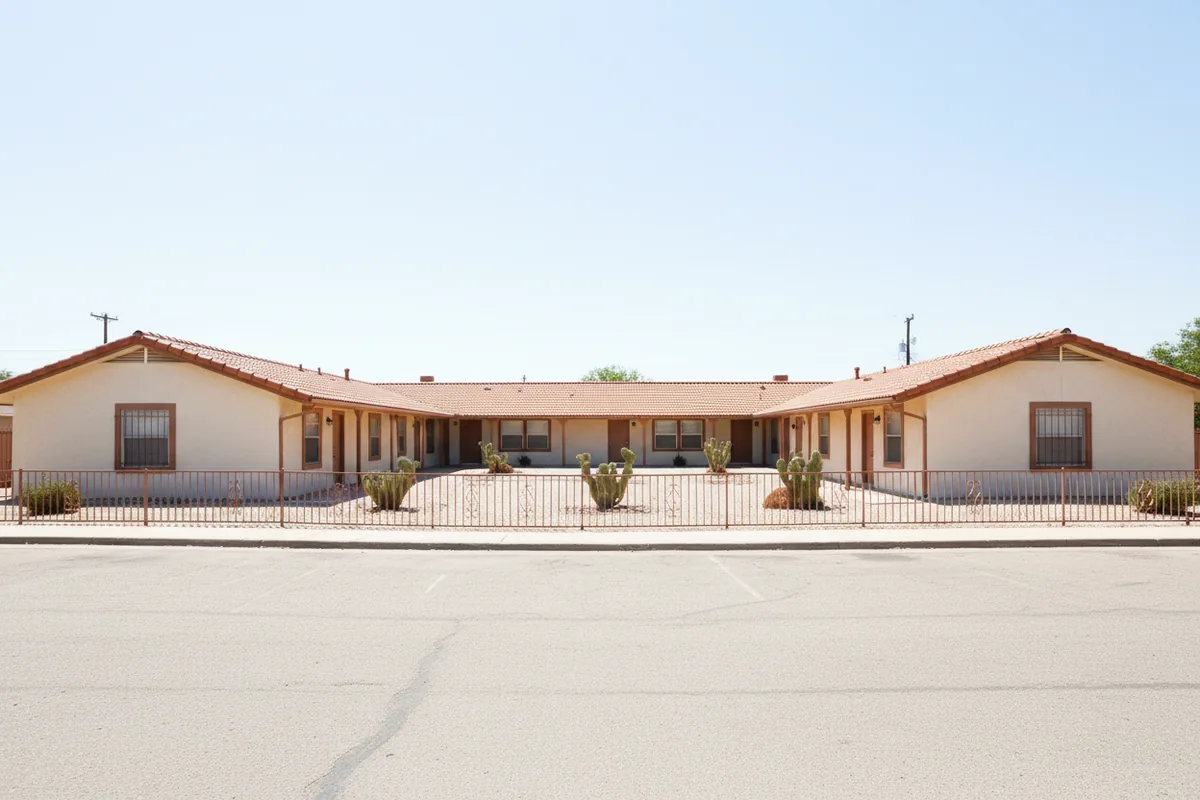
A Texas apartment complex courtyard on a bright afternoon, where state security laws apply.
Immediate state-specific answer

Texas negligent security law: the Timberwalk foreseeability factors, required rental security devices, the two-year deadline and the 50 percent fault bar.

On this page
  1. Whether a Property Owner Owed a Duty: Texas Law on Criminal Acts
  2. Where You Were Hurt: Texas Settings for These Claims
  3. If You Were Hurt Where You Live: Security Devices Texas Rental Properties Must Provide
  4. Who May Be Responsible When Security Fails
  5. If Fault Is Shared or Time Is a Concern: Filing Deadlines and the Proportionate-Responsibility Rule in Texas
  6. What Evidence Matters in a Texas Negligent Security Case
  7. Wrongful Death and Survival Claims Under Texas Law
  8. Questions Worth Asking Before You Speak With an Attorney
  9. Frequently asked questions
  10. Sources

State legal snapshot

Texas

Primary legal sources for Texas

In Texas, a property owner has no general duty to stop other people's crimes. A person who controls the premises must still use ordinary care to protect invitees from criminal acts it knew, or had reason to know, posed an unreasonable and foreseeable risk. Courts judge that risk by looking at earlier crimes on or near the property.

If you were attacked, robbed or shot at an apartment complex, a hotel, a parking area or a store, or you lost someone that way, practical worries likely sit alongside the injury or the grief: medical bills, missed work, and a nagging question about whether the place should have been safer. A negligent security claim is a claim that the person who controlled a property failed to take reasonable steps against a crime it could foresee. This page explains how Texas law treats that question, what deadlines and fault rules apply, and what records tend to matter.

Whether a Property Owner Owed a Duty: Texas Law on Criminal Acts

The Supreme Court of Texas set the governing rule in Timberwalk Apartments, Partners, Inc. v. Cain, 972 S.W.2d 749 (Supreme Court of Texas, 1998). The court said that no one has a general duty to protect others from the criminal acts of third persons. Instead, a person who controls premises must use ordinary care to protect invitees from criminal acts that it knows or has reason to know pose an unreasonable and foreseeable risk.

Each part of that sentence does work. An invitee is a person on the property for a purpose connected to its business, such as a tenant, a hotel guest or a shopper. Foreseeability means the risk of the crime could reasonably be anticipated. The standard is ordinary care, the care a reasonable person would use. It is not strict liability, so the fact that a crime happened on the property does not, by itself, make anyone responsible.

To judge foreseeability, the court looked at five factors about earlier crimes: their proximity to the property, their recency, their frequency, their similarity to the crime at issue, and their publicity. If you were hurt at a Texas property, the crime history on and around the premises often decides whether a claim can go forward at all, even when the attack itself was serious. A conversation with an attorney can help sort out how the five factors line up with a particular attack. The national picture is covered in our overview of the negligent security lawyer topic.

Where You Were Hurt: Texas Settings for These Claims

Negligent security claims in Texas come from many settings: apartment complexes and other rental housing, hotels and motels, parking garages and lots, shopping and retail centers, bars and entertainment venues, and office buildings. This page names no particular business or property.

For rental housing, Section 92.153 of the Property Code lists security devices a landlord must provide in a dwelling without waiting for the tenant to ask. That statute is covered in the next section, and apartment complex negligent security has its own page.

For hotels, stores, parking areas and other commercial properties, the Timberwalk foreseeability standard applies across property types. The kind of business shapes who is on the property, when, and why. A late-night venue and a daytime office may have very different histories, and the factors are applied to the property's actual history, not its category.

Whether the harm was an assault, a robbery, a shooting or another criminal act, the question stays the same: did the person controlling the property know or have reason to know of an unreasonable and foreseeable risk, and did it use ordinary care in response? Noting the type of property, the time of day and who ran it is often a first step in sorting that out.

If You Were Hurt Where You Live: Security Devices Texas Rental Properties Must Provide

Section 92.153 of the Property Code says that, except as provided by certain subsections, and "without necessity of request by the tenant, a dwelling must be equipped with" a list of devices. The official text of the statute lists devices that include:

  • a window latch on each exterior window of the dwelling;
  • a doorknob lock or keyed dead bolt on each exterior door;
  • a sliding door pin lock on each exterior sliding glass door of the dwelling;
  • a keyless bolting device and a door viewer on each exterior door of the dwelling.

The statute's list includes other items, and it makes exceptions in subsections (b), (e), (f), (g) and (h), so the list above is partial. The same subchapter also states that it does not affect a landlord's duty or a tenant's remedy regarding habitability.

For a tenant attacked at home, this statute makes part of the question concrete and checkable. Either a required latch, lock or viewer was there and working, or it was not, and that can bear on whether the premises met a legal standard.

A statutory requirement is not proof of causation, though. Causation means the failure actually helped bring about the harm. Whether a missing or broken device supports a claim depends on how the attacker got in and whether the device would have made a difference. Photographs of the doors and windows, any repair requests made, and the lease can all be relevant, and an attorney can help sort out whether a gap connects to the harm.

Who May Be Responsible When Security Fails

Several parties may be involved in a Texas negligent security case: the property owner, a landlord, a property manager, a security services contractor, and in some settings a tenant business that controls the area where the crime happened. Under Timberwalk, the duty attaches to the person who controls the premises, so who had control over a hallway, gate, lot or entrance often matters as much as who owns the building.

If a guard company worked the property, Texas law has something to say about it. Under section 1702.102 of the Texas Occupations Code, part of the Private Security Act, a company may not perform the activities the statute describes unless it holds a license as a security services contractor. The same chapter requires a criminal history check on each applicant for a license or security officer commission. A contractor that was not licensed is a fact that may bear on a claim against it, though it does not decide the claim on its own.

If more than one party played a part, Texas spreads responsibility among them. Under Chapter 33 of the Texas Civil Practice and Remedies Code, the proportionate responsibility chapter, the jury assigns a share of responsibility to you as the claimant, to each defendant, to each settling person and to each responsible third party. A responsible third party is someone who is not a defendant but whose conduct may have contributed to the harm. The person who committed the crime may be designated one, which can affect how responsibility is divided.

The case rarely turns on one party alone, and naming the wrong party could leave the one in control out of the picture. The lease, any management or security contract, and the names on signs or uniforms can help show who controlled the area.

If Fault Is Shared or Time Is a Concern: Filing Deadlines and the Proportionate-Responsibility Rule in Texas

Under section 16.003 of the Texas Civil Practice and Remedies Code, a person must bring suit for personal injury "not later than two years after the day the cause of action accrues," except as provided by sections 16.010, 16.0031 and 16.0045. A statute of limitations is the deadline for filing a lawsuit. A claim filed after it runs may be barred regardless of its merits. The limitations chapter also contains other provisions, so the exceptions that apply depend on the facts.

Children are treated differently. Section 16.001 treats a person younger than 18 years of age, regardless of whether the person is married, as under a legal disability, and when a person is under a legal disability when the cause of action accrues, "the time of the disability is not included in a limitations period."

If the defendant is a governmental unit, the Texas Tort Claims Act adds a separate step. Section 101.101 says a governmental unit is entitled to receive notice of a claim not later than six months after the day the incident occurred, and the notice must reasonably describe the claim. Section 101.023 limits a governmental unit's liability: for state government, $250,000 for each person and $500,000 for each single occurrence for bodily injury or death; for a unit of local government, $100,000 and $300,000, except that a municipality's limits are $250,000 and $500,000; and $100,000 for each single occurrence for property damage in each case. These rules apply only when a governmental unit is the defendant.

Fault matters too. Section 33.001 says a claimant "may not recover damages if his percentage of responsibility is greater than 50 percent." If the claimant is not barred, section 33.012 requires the court to reduce the damages by a percentage equal to the claimant's own percentage of responsibility. When a deadline or a fault question is unclear, a conversation with an attorney can walk through which period applies and how responsibility might be argued.

What Evidence Matters in a Texas Negligent Security Case

Because the Timberwalk factors decide whether a duty existed, records of earlier crimes often carry the most weight. Police reports and incident logs for the property and surrounding area can speak to proximity, recency, frequency, similarity and publicity of prior crimes. News coverage and tenant notices can bear on publicity.

Other records that usually matter include:

  • security camera footage from the property and nearby businesses, and records about lighting where the crime happened;
  • maintenance and inspection records for locks, latches, gates and other security devices, which connect to section 92.153 of the Property Code for rental housing;
  • the lease, which may show who controlled common areas;
  • any security contract and the contractor's licensing records, which connect to section 1702.102 of the Texas Occupations Code;
  • medical records documenting the injuries and treatment;
  • names of witnesses and anyone who reported the incident.

A missing device, an unlicensed contractor or a pattern of prior crimes matters only if records show it. Injured people and families often keep photographs of the scene and their injuries, and copies of any report made to the property or police.

Wrongful Death and Survival Claims Under Texas Law

Losing someone to a crime at a property that may have been unsafe leaves a family with grief and with questions they never expected to face. Texas law answers some of them directly.

Section 71.004 of the Texas Civil Practice and Remedies Code, in the wrongful death chapter, states that a wrongful death action "is for the exclusive benefit of the surviving spouse, children, and parents of the deceased." Wrongful death is a claim for the losses a family suffers because of a death. The spouse, children and parents may bring the action, or one or more of them may bring it for the benefit of all. If none of them has begun the action within three calendar months after the death, the executor or administrator shall bring it unless all of them request otherwise.

A survival claim is different. If your loved one was injured and later died, section 71.021 provides that their own cause of action for personal injury does not abate because of the death. That claim belongs to the person who died and carries on after the death, separate from the family's wrongful death claim.

Under section 16.003, suit in an action for injury resulting in death must be brought not later than two years after the day the cause of action accrues, and the cause of action "accrues on the death of the injured person." The clock starts with the death, not the attack.

Exemplary damages, meant to punish rather than repay a loss, are capped by section 41.008. They may not exceed the greater of two times economic damages plus noneconomic damages found by the jury, not to exceed $750,000, or $200,000. Whether any category of damages is available depends on the facts.

Which relatives will bring the action, whether an executor or administrator is involved, the death certificate and records of the attack all bear on these claims, and an attorney can help sort out how the wrongful death and survival claims fit together.


Questions Worth Asking Before You Speak With an Attorney

The questions people carry after an attack at a Texas property line up closely with what Texas law asks.

Had there been crimes on or near the property before, and how close, how recent, how frequent and how similar were they? Were they reported or widely known? Those are the Timberwalk factors, and they shape whether a duty existed at all.

Was the property a rental dwelling? If so, were the devices section 92.153 of the Property Code lists in place and working? Was a security company on site, and did it hold a license under section 1702.102 of the Texas Occupations Code? Who controlled the area where the crime happened?

When did the injury occur, or when did the death occur? Section 16.003 counts from the day the cause of action accrues, and the answer decides which date matters. If a governmental unit owned or ran the property, the six-month notice under section 101.101 comes into play as well.

These answers shape whether and how a claim proceeds under Texas law. To talk through how they apply to what happened, you can request a case evaluation and discuss the property, the dates and the records with our attorney.

Free case evaluation

No Fee Unless We Win Your Case

A free case evaluation is how it starts. Tell us what happened, and we’ll help you understand your options. You pay no fee unless we win your case.

Negligent Security Claims Authority

How it works

  1. Call us or request a free case evaluationTell us what happened, in your own words.
  2. Talk through your caseYour options, and what your case may be worth.
  3. No fee unless we winYou pay no attorney fee unless we win your case.
Before your next step

A considered next step.

Frequently asked questions

Does a Texas property owner always have a duty to protect visitors from crime?

No. Under Timberwalk Apartments, Partners, Inc. v. Cain, there is no general duty to protect others from third parties' crimes. A person who controls premises must use ordinary care toward invitees when it knows or has reason to know of an unreasonable and foreseeable risk, judged by the proximity, recency, frequency, similarity and publicity of prior crimes.

What security devices must a Texas landlord install in a rental unit?

Section 92.153 of the Property Code requires, without a tenant's request and subject to its exceptions, devices including a window latch on each exterior window, a doorknob lock or keyed dead bolt and a keyless bolting device and door viewer on each exterior door, and a pin lock on each exterior sliding glass door. Whether a missing device supports a claim depends on causation.

How long does a person injured in Texas have to file a negligent security claim?

Section 16.003 of the Texas Civil Practice and Remedies Code sets two years after the day the cause of action accrues, with exceptions in other sections. Time during minority under 18 is not counted under section 16.001. A governmental unit is entitled to notice within six months of the incident under section 101.101.

Can a person recover in Texas if they were partly at fault for what happened?

Under section 33.001, a claimant may not recover damages if his percentage of responsibility is greater than 50 percent. If not barred, section 33.012 reduces the damages by the claimant's own percentage. The criminal actor may be designated a responsible third party under chapter 33, which affects how responsibility is divided.

Does Texas require security contractors to be licensed?

Yes. Section 1702.102 of the Texas Occupations Code, part of the Private Security Act, says a person may not perform security services contractor activities without a security services contractor license. Whether a missing license bears on a particular claim depends on the facts.

Who can bring a wrongful death claim in Texas when someone is killed because of inadequate security?

Under section 71.004, the action is for the exclusive benefit of the surviving spouse, children and parents, and any of them may bring it for all. If none begins it within three calendar months after the death, the executor or administrator shall, unless all of them ask otherwise. The two-year period runs from the death.

Are there limits on damages in a Texas negligent security case?

Section 41.008 caps exemplary damages at the greater of two times economic damages plus noneconomic damages up to $750,000, or $200,000. If the defendant is a governmental unit, section 101.023 of the Texas Tort Claims Act sets per-person and per-occurrence liability limits. Which limits apply depends on the facts and the defendant.

What does 'foreseeability' mean in a Texas negligent security case?

It means whether the risk of the crime could reasonably be anticipated. In Timberwalk, the Supreme Court of Texas weighed five factors about earlier crimes: proximity, recency, frequency, similarity and publicity. Whether foreseeability is shown depends on the property and its actual history.