

Property security & civil claims

Apartment Complex Negligent Security: What the Law Asks and What It Means for You

General legal information · Updated November 10, 2026
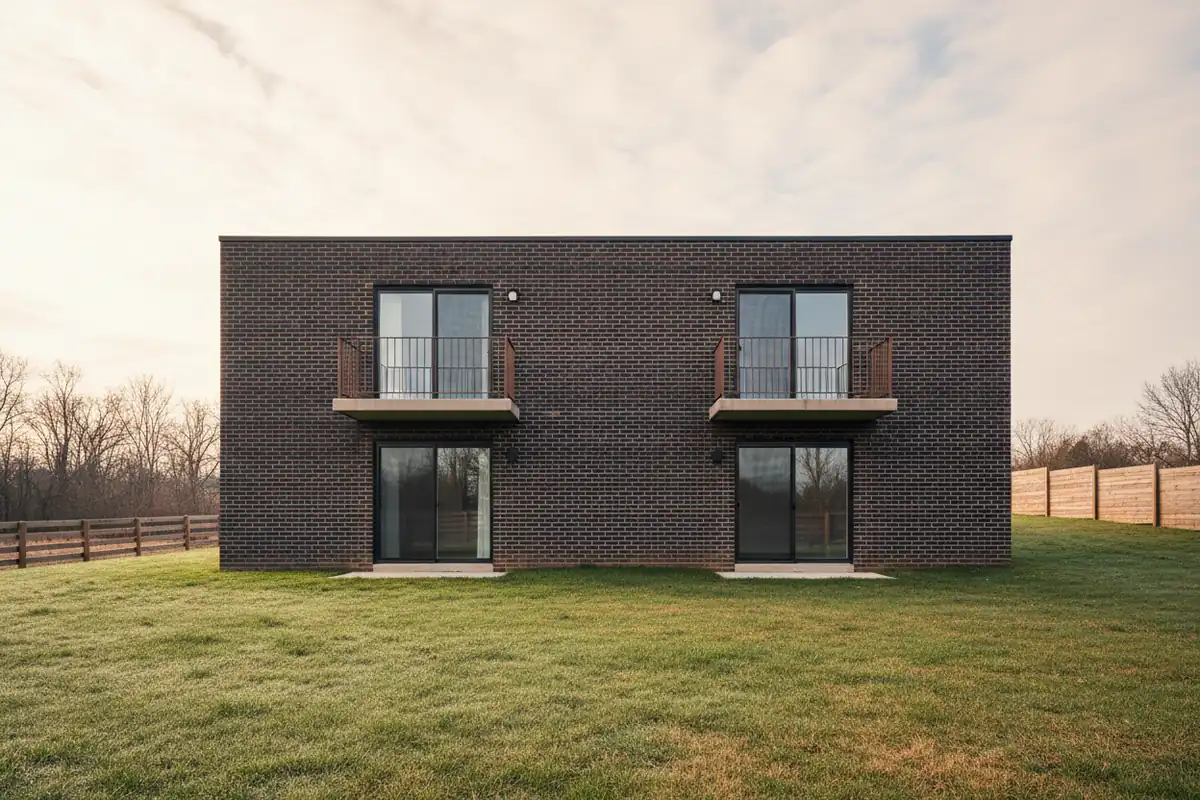
The rear brick facade of a low-rise apartment building overlooking a quiet communal lawn.
Immediate answer

How apartment negligent security claims turn on foreseeability, landlord control of common areas, security devices, evidence and state fault and deadline rules.

On this page
  1. If You Were Hurt at an Apartment Complex: What Negligent Security Means
  2. Could the Landlord Have Seen It Coming? What Courts Look At Before Finding a Duty
  3. Where the Landlord's Responsibility May Arise: Common Areas and Controlled Spaces
  4. Security Devices and Physical Measures: What One State's Law Requires
  5. What Evidence Often Matters If You Were Hurt
  6. How Fault Is Allocated When the Reader Was Also Present
  7. Deadlines, Damages, and How State Law Shapes a Claim
  8. Frequently asked questions
  9. Sources

If you were attacked at an apartment complex, the landlord or management company may be legally responsible when the attack was foreseeable, it happened in an area they controlled, and they failed to take reasonable security steps. Examples include broken gates, dark parking lots, failed locks or ignored earlier crimes. State law sets the exact rules.

Most people facing this question are carrying something heavy. You may be a tenant hurt in your own parking lot, a guest assaulted in a stairwell, or a parent or spouse after a shooting that changed a family. The medical bills are arriving. You may have heard that management knew about earlier break-ins, or that the gate had been broken for weeks. You are trying to understand whether any of that matters legally. This page explains how negligent security law treats apartment complexes, what courts weigh, and what records tend to matter.

If You Were Hurt at an Apartment Complex: What Negligent Security Means

If you were hurt by someone else's crime at an apartment complex, the legal question is whether the people who own or run the property took reasonable care to keep those lawfully on it reasonably safe. That question belongs to premises liability, and negligent security is the branch of it that deals with harm from another person's criminal act, such as an assault, robbery or shooting. The focus is whether the owner or manager failed to take reasonable steps against a danger it could foresee.

At an apartment complex, that duty generally reaches the spaces the landlord controls, such as parking lots, lobbies, stairwells, hallways and entry gates. Courts often say the landlord is not an insurer of safety. The duty is to act reasonably, and whether a landlord fell short depends on the specific facts.

For someone injured, this means a crime on the property does not, by itself, show that anyone was negligent. The law asks four things: whether a duty existed, whether it was breached, whether the breach caused the injury, and what harm resulted. Each of those four questions can be measured against what is already known about the property, and an attorney can help sort out which of them the known facts touch.

State law sets the standard, and the rules differ across states. As one state's example, a 1998 decision of the Supreme Court of Texas, Timberwalk Apartments, Partners, Inc. v. Cain, applied the premises duty to a landlord that retained control over the security and safety of the premises. Other states frame the duty in their own ways.

Could the Landlord Have Seen It Coming? What Courts Look At Before Finding a Duty

In most states, that is the threshold question. Foreseeability means whether a reasonable property owner, knowing what it knew or should have known, would have recognized a real risk of this kind of crime.

The main evidence of foreseeability is usually a record of earlier similar crimes on or near the property. A pattern of car break-ins in a garage, assaults near a mailbox area, or armed robberies at an entrance can show that a risk was known. Without earlier incidents or other warning signs, a claim often has difficulty getting past this first step.

In Texas, the Timberwalk decision is the state's statement of factors courts weigh. These include how close the earlier crimes were to the property, how often they happened, how recent they were, and how similar they were to the attack at issue. That is Texas's approach, not a national rule, though many courts ask related questions.

Knowledge also matters. Actual knowledge means the landlord truly knew, for example from tenant complaints or its own incident logs. Constructive knowledge means it should have known through reasonable attention. Either can be relevant.

For an injured tenant or a grieving family, foreseeability is often where a case turns, and the history of one property is rarely clear from the outside. People in this position often think back on what they heard from neighbors, what complaints were made, and what notices management sent, since those details point to what was known before the attack.

Where the Landlord's Responsibility May Arise: Common Areas and Controlled Spaces

Control is the dividing line. A landlord's duty generally attaches to areas it keeps under its own management. It usually does not reach the inside of a tenant's private unit in the same way, because the tenant controls that space day to day.

The common areas where these questions most often come up include parking lots and garages, lobbies and entryways, stairwells and hallways, laundry rooms, pool areas, and entry gates. Lighting, locks and access control in those spaces are typically in the landlord's hands. A burned-out light, a gate propped open or a broken door lock in a shared area may raise questions about whether reasonable care was taken, depending on the facts.

What is at stake for an injured person is often where exactly the attack happened: an attack in a shared space the landlord manages is treated differently from one inside a private unit.

More than one business may be involved. Many complexes are owned by one company and run day to day by a management company. Depending on the facts and the state's law, the management company may also owe a duty, alongside or apart from the owner.

Promises can matter too. When a complex advertises gated access, security patrols or surveillance cameras, that representation can be relevant to whether the landlord took on a security duty and whether it carried out what it promised. A tenant who chose a building partly because of its advertised security may wonder whether that promise counts; in some situations, the law may treat it as part of the picture. Where the attack took place, who managed that space, and what security was advertised are often the questions an attorney helps untangle.

Security Devices and Physical Measures: What One State's Law Requires

Some states write specific security requirements into statute. Texas offers a concrete example. Under section 92.153 of the Texas Property Code, and "without necessity of request by the tenant," a dwelling must be equipped with certain devices. The required devices include:

  • "a window latch on each exterior window of the dwelling"
  • "a doorknob lock or keyed dead bolt on each exterior door"
  • "a sliding door pin lock on each exterior sliding glass door of the dwelling"
  • a sliding door handle latch or security bar
  • "a keyless bolting device and a door viewer on each exterior door of the dwelling"

These requirements apply "except as provided by Subsections (b), (e), (f), (g), and (h)" of that section. The statute sets separate rules for French doors. It also allows exceptions, including one tied to a tenant over 55 years of age or with a disability who asks in writing not to have a keyless bolting device. The same section says a required device "must be operable throughout the time a tenant is in possession of a dwelling."

For a Texas tenant, the statute also limits where these device duties come from: it states that its security-device duties and tenant remedies are "in lieu of common law, other statutory law, and local ordinances relating to a residential landlord's duty to install, change, rekey, repair, or replace security devices," with a limited exception for certain older municipal ordinances. That is Texas's rule only. Other states set different requirements, and some set none at the statutory level.

If a required or promised device was missing or broken when an attack happened, that absence can be relevant to whether a landlord breached its duty. It does not prove fault on its own; a missing dead bolt or a broken door viewer is one fact among many, and causation must still be shown. Which devices were on the door or window involved, and whether they worked, are details an attorney can compare against the applicable state's rules.

What Evidence Often Matters If You Were Hurt

Each element of a negligent security claim rests on records. For an injured person, whether these records exist and can still be found can shape what can be shown about foreseeability, breach and causation.

Police and incident reports come first. Reports of the attack itself, and of earlier crimes on the property and in the surrounding area, are often the main evidence of foreseeability. The property's own incident logs and tenant complaints can show what management knew.

Security footage may show how an attacker entered, whether a gate was working, and how lighting looked that night. Complexes vary in how long they keep footage, and time can affect whether it is still available.

Maintenance and inspection records for locks, gates, lighting and cameras, including tenant work orders and repair requests, can show whether known problems were reported and when, or whether they were repaired.

Lease agreements, marketing materials and management policies that mention security can bear on what the landlord promised. Screenshots of listings, brochures and community notices sometimes carry those statements.

Medical records document the injuries and treatment and connect the attack to the harm. Witness information completes the picture: neighbors, guests, maintenance staff or anyone who saw the attack or knew of earlier problems.

Injured people and families often gather what they can of these materials, along with photos of the scene and the conditions they noticed. Each item does a different job, and no single record decides a case.

How Fault Is Allocated When the Reader Was Also Present

Many injured people worry that something they did will be held against them. Maybe a door was left unlocked, or they walked through a dark lot late at night. The law addresses this through fault rules, and those rules depend on the state.

Comparative fault is a rule that divides responsibility among the people involved and may reduce what the law allows by the injured person's own share. Most states use some form of it. Under some versions, a person's own share reduces what the law allows. Under others, a share above a certain level can bar recovery altogether.

Contributory fault is a stricter rule. Under it, an injured person's own negligence, even in a small degree, can bar recovery entirely. Only a small number of states follow this minority rule.

In negligent security cases, an attacker who intentionally harmed someone is also part of the fault picture. How states treat the share of a criminal who is not a party to the lawsuit is itself a state-specific question.

No one can say from the outside what share of fault, if any, a court or jury would assign to a particular person. The state where the injury happened decides the rule, and worries about one's own conduct are a fair topic to raise openly with an attorney.

Deadlines, Damages, and How State Law Shapes a Claim

A statute of limitations is a law that sets the time window for filing a lawsuit. A claim filed after that window closes can be dismissed, whatever its merits. Limitation periods for injury and wrongful-death claims differ by state. No single period applies everywhere, and when a period starts to run, and what exceptions may pause it, also depend on the state.

That is why the state where the attack happened carries so much weight. It usually decides the deadline, the fault rule and the damages rules together. If you would like help understanding which state's rules may apply to an apartment attack and when a deadline may run, you can request a case evaluation to talk it through with our attorney.

For someone facing bills and missed work after an attack, the kinds of losses the law may recognize in an injury claim generally include medical expenses, lost income, and pain and suffering. Where a death occurred, wrongful-death damages may also be available. A wrongful-death claim is a claim brought by certain family members or a representative after a person dies because of someone else's wrongful conduct. Which categories apply, and in what amounts, depends on the facts, the proof and the state's law. No amount can be predicted from a description of the events.

Wrongful-death rules differ by state as well, including who may bring the claim and what losses it covers. For a family after a death, those differences can shape who is able to act and on what timeline.

Free case evaluation

No Fee Unless We Win Your Case

A free case evaluation is how it starts. Tell us what happened, and we’ll help you understand your options. You pay no fee unless we win your case.

Negligent Security Claims Authority

How it works

  1. Call us or request a free case evaluationTell us what happened, in your own words.
  2. Talk through your caseYour options, and what your case may be worth.
  3. No fee unless we winYou pay no attorney fee unless we win your case.
Before your next step

A considered next step.

Frequently asked questions

What is negligent security?

Negligent security is a premises-liability theory. It holds that a property owner or manager may be responsible for injuries caused by a third party's crime if the crime was foreseeable and the owner failed to take reasonable steps to protect people in areas it controlled. State law sets the standard, and it differs from state to state.

What is a good example of negligent security at an apartment complex?

Picture a general, made-up scenario. Management knows a parking-lot gate has been broken for weeks, several assaults have happened in that lot, and the lighting stays unrepaired. That pattern illustrates the legal elements of foreseeability, control and possible breach. Whether a real situation meets them depends on its own facts.

Can a tenant sue an apartment complex for an attack that happened in a common area?

A tenant or guest hurt in a common area may have a premises-liability claim if the attack was foreseeable and the landlord failed to take reasonable precautions in a space it controlled. Whether a claim exists depends on the specific facts and the law of the state where the attack happened.

How long do apartment complexes keep security footage?

Retention varies from property to property. How long a given complex keeps recordings depends on its own systems and practices. Because time can affect whether footage is still available, the timing of gathering evidence can matter in these cases.

Does the landlord have to prevent every crime on the property?

No. A landlord is not an insurer of tenant safety. The duty is to take reasonable precautions against crimes that are foreseeable. It is measured by what a reasonable landlord would have done given what was known or knowable about earlier criminal activity at or near the property.

What security devices does a landlord have to provide?

Requirements vary by state. As one example, section 92.153 of the Texas Property Code requires, without a tenant's request and subject to listed exceptions, window latches, a doorknob lock or keyed dead bolt, sliding-door pin locks and latches or bars, and a keyless bolting device and door viewer on exterior doors. Other states differ or set none.

Does it matter if the apartment complex advertised security features like gated access or cameras?

It can. Statements about security in advertising, a lease or management policies can be relevant to whether the landlord took on a security duty and whether it carried it out. Whether those statements affect a particular claim depends on the facts and the state's law.

How does comparative fault affect a negligent security claim?

Comparative fault divides responsibility and may reduce what the law allows by the injured person's own share. Most states use some form of it. A small number use contributory fault, which can bar recovery entirely. The rule that applies depends on the state where the injury occurred.