Property security & civil claims

Negligent Security Shooting Claims: What the Law Asks and What It Means for You

General legal information · Updated November 10, 2026
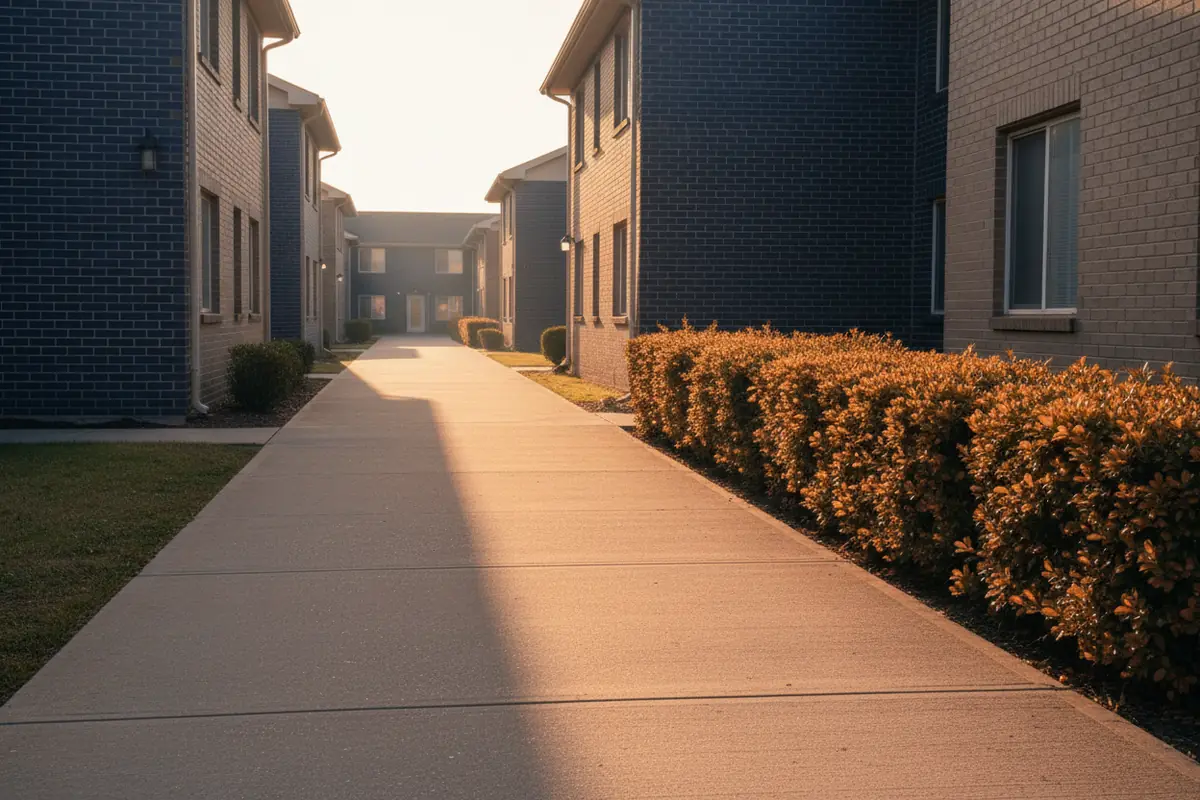
A quiet apartment walkway at dawn where foreseeable attack risks are legally assessed.
Immediate answer

A negligent security shooting claim asks whether a property controller owed a duty against a foreseeable attack, breached it, and caused the harm. State law decides.

On this page
  1. If You Were Shot on Someone Else's Property: What a Negligent Security Claim Is
  2. Could the Property Have Seen It Coming? How Foreseeability Shapes a Duty
  3. Where the Shooting Happened and Why You Were There: Properties and Situations Where These Claims Arise
  4. If the Police Report Says Aggravated Assault: What the FBI's Definition Covers
  5. What a Claim Against the Property Has to Show: Duty, Breach, Causation, and Damages
  6. What Records Can Help Show What Happened to You or Your Family
  7. Why Filing Deadlines and State Law Differences Matter to Your Claim
  8. Frequently asked questions
  9. Sources

If someone was shot on another person's property, the owner or manager may share legal responsibility with the shooter. That can happen when the attack was foreseeable and reasonable security was missing. Whether a claim exists depends on the facts and on the law of the state where the shooting happened.

Most people facing this question are still in the middle of it. Someone is recovering from a gunshot wound, or a family is planning a funeral. Bills are arriving, work has stopped, and the police case is about the person who fired the gun. What many people cannot find is a plain answer about the place itself: the apartment complex, the parking lot, the hotel or the bar where it happened. This page explains how the law treats that question, what it turns on, and why the answer changes from state to state.

If You Were Shot on Someone Else's Property: What a Negligent Security Claim Is

A negligent security shooting claim is a kind of premises liability case. Premises liability is the area of law about the responsibility of people who own or control property for injuries that happen there. In this kind of case, the injured person, or a family after a death, alleges that the property's lack of reasonable security allowed a shooting to happen.

The claim rests on four parts, called elements: duty, breach, causation and damages. Each is explained later on this page.

For someone who was hurt, this matters because the shooter and the property are two separate questions. The criminal case against the attacker is brought by the government. A civil claim against the property is brought by the injured person or the family, and it asks whether the people who controlled the place did what the law required of them. An arrest or conviction does not settle that second question, and the absence of one does not end it. The difference is laid out in our page on civil and criminal cases compared.

A useful first question for a person in this position is who owned or managed the place where the shooting happened, since that is who a civil claim would look to. State law governs most of these claims, and the rules differ. Our overview of negligent security claims covers the wider subject beyond shootings.

Could the Property Have Seen It Coming? How Foreseeability Shapes a Duty

Courts generally do not expect property owners to prevent every crime. The question is usually whether the crime was foreseeable. Foreseeability means that a reasonable person in the owner's position could have anticipated that this kind of harm was a real risk, not just a remote possibility. In many negligent security cases, everything else depends on it. If an attack was not foreseeable, a court may find there was no duty at all.

For a person who was shot, or a family that lost someone, this can feel abstract. In practice, it is a question about history and setting. Courts commonly look at prior similar crimes on or near the property, how recent and serious those incidents were, and the nature of the location and how it is used. No single national list controls, and courts weigh these points differently.

One state's approach shows how a high court can frame the question. In Timberwalk Apartments, Partners, Inc. v. Cain, a 1998 decision of the Supreme Court of Texas, the court addressed when a person who controls premises owes a duty to protect others from crimes committed by third parties, and it treated foreseeability as central to that duty. The opinion is published here. That decision states Texas's rule. Other states apply their own foreseeability standards and tests.

Someone weighing a claim may find it helpful to think about what they already know of the property's past: earlier incidents, complaints from residents or customers, or a reputation for trouble. Those are the kinds of points an attorney can measure against the standard the relevant state applies.

Where the Shooting Happened and Why You Were There: Properties and Situations Where These Claims Arise

Shooting claims tied to security can arise at many kinds of property, including apartment complexes and their parking areas, standalone parking lots and garages, hotels and motels, bars and nightclubs, retail stores and shopping centers, and entertainment venues. A late-night bar, a large residential complex and a busy store serve different people at different hours, and the care a court expects may vary with the nature of the business and who it serves. Our page on an apartment shooting claim looks at the residential setting in more detail.

Why you were on the property can also shape what the owner owed you. Many states sort visitors into three groups. If you were there as a customer, a hotel guest or, in many settings, a tenant, you would usually be an invitee, someone invited onto the property for the owner's business purpose. If you were a social guest, present with permission but not for the owner's benefit, you would usually be a licensee. If you were on the property without permission, you would be treated as a trespasser.

The stakes follow from that sorting. In many states, the duty owed depends on which group a person falls into, and invitees are often owed the most care, so a licensee or trespasser may face a narrower duty. Some states have moved away from these categories or apply them differently. A person in this position may want to note the reason they were present, such as a purchase, a reservation, a lease or an invitation, since that is often where the analysis starts.

Nothing on this page suggests that any particular company, property or type of business caused an injury or failed to provide security. These are settings where the legal questions can come up, not findings about anyone.

If the Police Report Says Aggravated Assault: What the FBI's Definition Covers

If the police report or crime record from the shooting lists it as aggravated assault, that label comes from a reporting definition, not from a finding about the property. The FBI's Uniform Crime Reporting Program defines aggravated assault as "an unlawful attack by one person upon another for the purpose of inflicting severe or aggravated bodily injury." The program adds that "this type of assault is usually accompanied by the use of a weapon or by other means likely to produce death or great bodily harm." The definition appears on the FBI's aggravated assault definition page. The same page states that attempted aggravated assault involving the display of, or threat to use, a gun, knife or other weapon is included in this category.

This matters to an injured person or family because crime records can come up when people argue about whether an attack at a property was foreseeable. Earlier incidents at the same location recorded this way may be part of that history.

The definition is a classification standard for crime reporting. It does not decide whether anyone is legally responsible for an injury, and a crime being classified this way does not establish that a property owner owed or breached any duty. A person in this position may want to keep a copy of the report and note how earlier incidents at the location were recorded, which an attorney can review alongside the rest of the record.

What a Claim Against the Property Has to Show: Duty, Breach, Causation, and Damages

Each element has to be shown, and each is argued on its own facts.

Duty is the starting point: whether the person or business that controlled the property owed the injured person reasonable care against this kind of attack, which usually brings foreseeability back into view. Breach asks whether the security in place fell below what reasonable care required in that setting. Disputes often center on what measures existed and whether they were adequate.

Causation is often the hardest element. The person who fired the gun made a choice, and that intervening criminal act raises the question of whether the property's security failure was a legal cause of the harm at all. Courts examine whether the attack was a foreseeable result of the security failure and whether reasonable measures would likely have made a difference. A shooting alone does not prove that a property was at fault.

Damages are the losses that follow. The categories the law may allow can include medical expenses, lost income, and pain and suffering. When a shooting is fatal, a family may have a wrongful death claim. Wrongful death is a claim brought after a death caused by another's wrongful act or neglect, by the family members or estate a state's law allows, for losses the death caused them. Which categories are available, and to whom, varies. Our page on who can bring a claim explains this in more depth.

Your own conduct at the time can also come into the picture. Under a comparative fault rule, any share of fault assigned to you can reduce what is recovered, and in some states it can bar recovery. Under a stricter contributory fault rule, any fault at all can bar recovery. States differ on which rule applies and how, which is one reason the state where the shooting happened carries real weight.

For an injured person or family, the practical consequence is that a strong showing on one element does not make up for a gap in another. It may help to think through each in turn: what made the attack foreseeable, what security was missing, how a different measure might have changed things, and what losses followed. Those are the questions a conversation with an attorney usually works through.

What Records Can Help Show What Happened to You or Your Family

The records in a negligent security shooting case usually answer three questions: was the attack foreseeable, what security was actually in place, and how badly was the person hurt.

If you were hurt, or your family is dealing with a death, the records that usually matter include police reports and any incident report the property made. Prior crime reports or calls for service at or near the location can bear on foreseeability. Security camera footage may show what happened and what the area looked like at the time. Records about lighting, locks, gates, fencing, guards and access control can show what measures existed. Maintenance logs may show whether broken lights, doors or cameras were reported and when they were repaired.

Witness accounts matter too. Injured people and families often keep the names and contact details of anyone who saw the shooting or knew the property's conditions. Medical records show the injuries, the treatment and what recovery looked like. In a fatal case, records of the death and the family's losses become part of the picture.

Some of this material is held by the injured person or the family, such as medical records, bills and witness names, and those are often the first items people gather. Much of the rest, such as footage, logs and internal reports, is held by the property or by others, which means it is not in the injured person's hands. Which records weigh most turns on what happened in the particular case.

Why Filing Deadlines and State Law Differences Matter to Your Claim

A statute of limitations is a law that sets the time within which a lawsuit must be filed. Each state sets its own period, and the period, when it begins to run and its exceptions can differ for an injury claim and a wrongful death claim. If a claim is filed after the deadline, a court can bar it entirely, no matter how strong it might otherwise be. Our page on negligent security deadlines explains how these periods are structured.

Deadlines are not the only rules that change across state lines. Comparative and contributory fault rules differ. Some states cap certain kinds of damages. Wrongful death laws differ in who may bring the claim and what losses count. No state's rule, Texas's included, applies everywhere. A family after a fatal shooting may be facing a different set of rules than an injured person in the same state.

For someone recovering or grieving, this is where the law becomes concrete. The questions are which state's law applies, when the clock started, and whether any exception might matter. This page cannot answer them for any one situation. If it would help to talk through the deadline and the rules that may apply to a shooting, you may want to consider a conversation with our attorney.

Free case evaluation

No Fee Unless We Win Your Case

A free case evaluation is how it starts. Tell us what happened, and we’ll help you understand your options. You pay no fee unless we win your case.

Negligent Security Claims Authority

How it works

  1. Call us or request a free case evaluationTell us what happened, in your own words.
  2. Talk through your caseYour options, and what your case may be worth.
  3. No fee unless we winYou pay no attorney fee unless we win your case.
Before your next step

A considered next step.

Frequently asked questions

What is a negligent security shooting claim?

It is a premises liability case in which a person shot on someone else's property, or a family after a fatal shooting, alleges that a lack of reasonable security allowed the attack. The claim runs against whoever controlled the property, separate from the case against the shooter. Whether a claim exists depends on the facts and state law.

Who can be held responsible when someone is shot on another person's property?

Beyond the shooter, responsibility may extend to the owner or controller of the property, if that party owed a duty of care and failed to provide reasonable security against a foreseeable attack. Which parties may be responsible depends on who controlled the property, what duty they owed and the facts.

What does foreseeability mean in a negligent security case?

It asks whether a reasonable property owner could have anticipated a criminal attack as a real risk, not merely a conceivable one. Courts often look at prior incidents nearby and the nature of the location. Standards vary by state; a 1998 decision of the Supreme Court of Texas, Timberwalk Apartments, Partners, Inc. v. Cain, states Texas's approach.

Does the property owner's duty differ depending on why someone was on the property?

In many states, yes. The duty may depend on whether the visitor was an invitee, there for the owner's business purpose; a licensee, there with permission but not for the owner's benefit; or a trespasser. Invitees are often owed the most care. Some states apply these categories differently or not at all.

What kinds of damages may a shooting victim or family pursue?

The categories the law may allow include medical expenses, lost income, and pain and suffering. After a fatal shooting, a family may have a wrongful death claim for its own losses. Whether any damages are available depends on the facts and the state's law, and no outcome is assured.

How does a state's comparative fault rule affect a negligent security claim?

Fault rules vary by state. Some states reduce recovery in proportion to the injured person's share of fault, some bar recovery once that share passes a threshold, and contributory fault rules can bar recovery for any fault. The rule that applies depends on the state where the claim is brought.

What evidence is typically relevant in a negligent security shooting case?

Often relevant are police and incident reports, records of prior crime at or near the property, security footage, records of lighting and physical security, maintenance logs, witness information, and medical records. Which records matter most depends on the specific facts.

How long does someone have to file a negligent security claim after a shooting?

The time limit, called a statute of limitations, differs by state, and missing it can bar a claim regardless of its merits. The deadline for a given situation depends on where the claim would be filed, when the period began and any exceptions the state allows.